
Most copywriting tips focus on small tweaks or rather obvious concepts.
While these basic tips are a good starting point, they often overlook the 80/20 of great copywriting.
In this post, we’ll look at the nine most impactful copywriting tips to turn your words into dollars and how to execute them more effectively than 99% of writers.
These tips also work on any platform, from blog posts and website copywriting to social media copywriting and video scripts.
Scale Your Traffic
For the first time, The Copyblogger methodology
is now available to a select few clients.
We know it works.
We’ve been doing it since 2006.
1. Understand Your Target Audience
Many copywriters already know that the first step to build an audience is to understand who they’re talking to, so they create audience avatars with demographic information like age, gender, and location.
Collecting this information is a good start, but readers will only consume your content if they find it helpful and/or entertaining.
Therefore, you must also understand your audience’s pain points, desires, and interests.
Here’s an audience avatar template you can use:
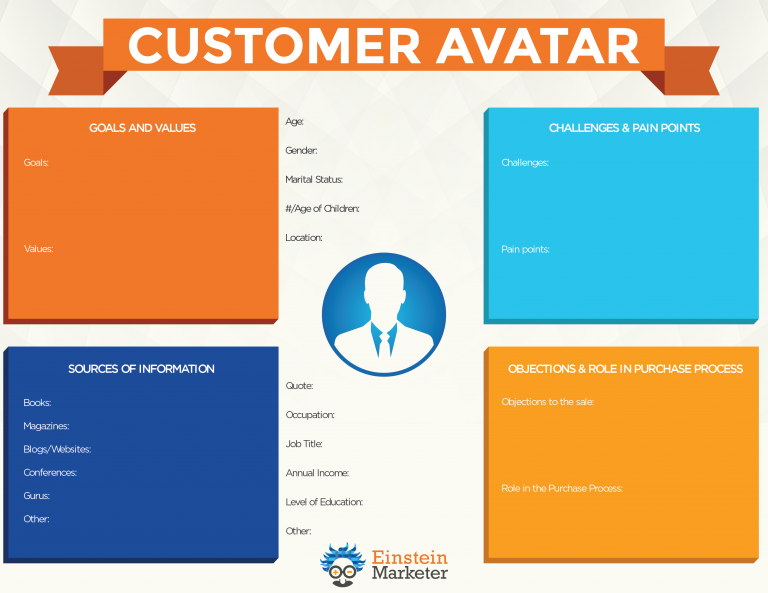
You might intuitively know your target audience’s general pain points and desires, yet the more specific you are when filling out your avatar, the better your copy will be because you can resonate with your audience’s pain points on a deeper level.
The best way to get more specific is to ask, “why?”
Here’s an example of how simply asking “why” can help you get more specific:
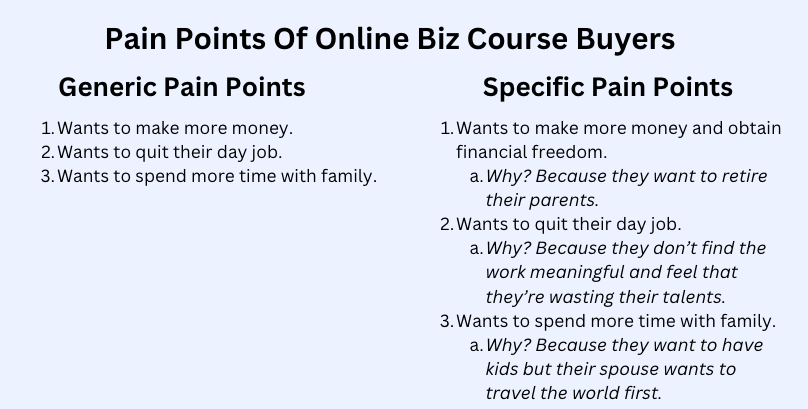
Getting this level of detail may not seem very important, but it can actually make your copy significantly more powerful.
Here’s an example:
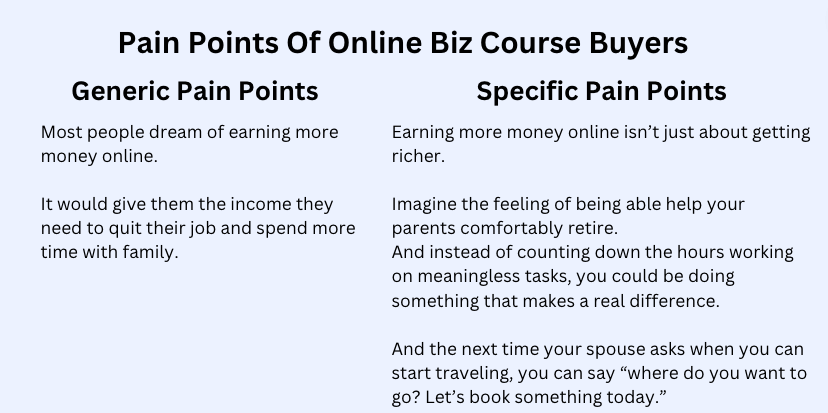
Notice that the specificity in the second example makes it much more impactful.
To get more specific information about your audience, you can participate in conversations in Slack groups, Facebook groups, and forums.
For example, this is a great community with skiing-related questions:
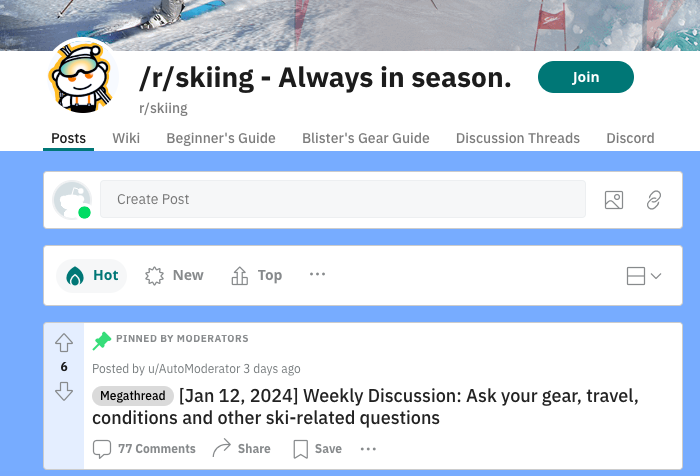
Reading through these forum questions gives you specific information about your target persona’s interests, desires, and pain points.
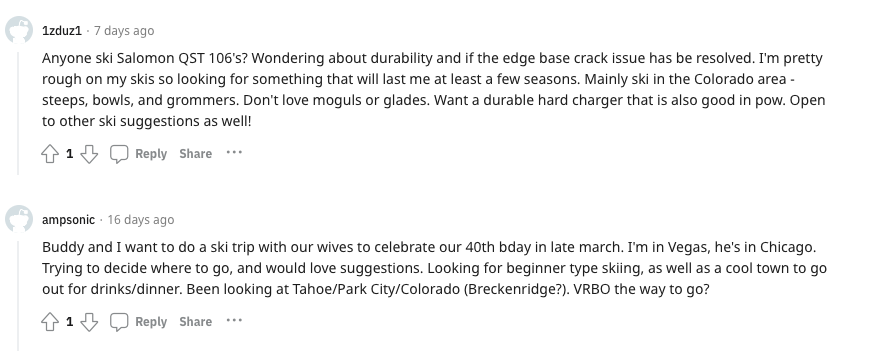
Interacting with your target audience in these forums can also help you build genuine relationships with them, which will not only make your copywriting more effective but also help you earn more sales.
Therefore, schedule 15 minutes into your calendar each day to read through these forums and take notes of interesting topics and comments.
2. Spend More Time On Your Idea
The best copywriting tips applied to a mediocre content idea won’t generate many sales.
We can use this blog post as an example.
I knew that “copywriting tips” is a popular topic that has a lot of search volume:
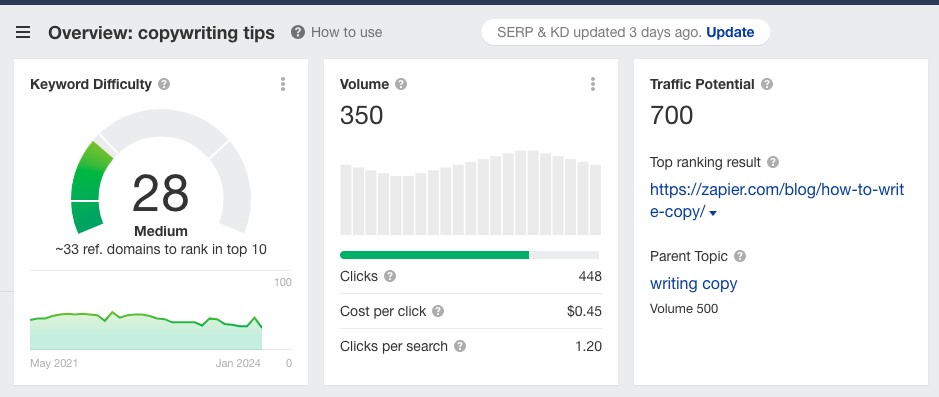
Keyword search volume is one easy way to validate your topic, but it’s also essential to validate that it’s relevant to your target audience. Therefore, you can also browse frequently asked questions in industry forums and groups.
Once you find a popular topic your audience cares about, it’s essential to have an interesting angle for your content.
When researching other blog posts on copywriting tips, I noticed they all mentioned best practice tips. However, some tips were obvious and/or failed to provide specific instructions on executing the tip effectively.
Many mentioned that it’s important to understand your target audience and some also mentioned what an audience avatar should include (demographic information, pain points, etc.).
Yet they all failed to explain that the key to a great audience avatar is including specific pain points rather than generic pain points, and they didn’t include step by step instructions on how to actually learn more about your target audience (e.g., where to find forums, Slack groups, etc.).
Therefore, good copywriting isn’t just about constructing the right words in the right order.
Your copy must offer a unique perspective that isn’t available anywhere else.
Even if you’re writing social media content, think about how to provide a unique perspective on a problem your audience cares about deeply.
If you’re feeling stuck, draw from your personal experiences. This strategy works really well for a few reasons:
- It’s original because you’re the only person with that experience.
- It’s easier to create a story that makes you relatable.
You can also use personal experiences in sales copy for a product launch or course.
So the next time you sit down to start writing, carefully consider not just the topic you’re going to write about but also the idea behind it and how you can create a unique, more interesting and/or helpful perspective than any other content available.
3. Improve Your Title/Hook With These Tips
It doesn’t matter how good the body of your copy is if there’s no intrigue in your title or hook to grab the reader’s attention and compel them to read your content.
There are plenty of different copywriting frameworks to choose from, but the key is to touch on a desire or pain point your target audience feels.
If you’re writing an introduction for a blog post, you can use this framework for introductions:
- What problem is this person facing that compelled them to click on this blog post, and what specific solutions have they tried that have been unsuccessful?
- What value will I provide to make this blog post the ultimate solution they’ve been looking for?
Another copywriting formula that scriptwriter George Blackman teaches is this:
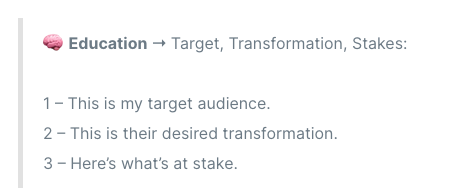
Here’s an example of this intro framework in action:
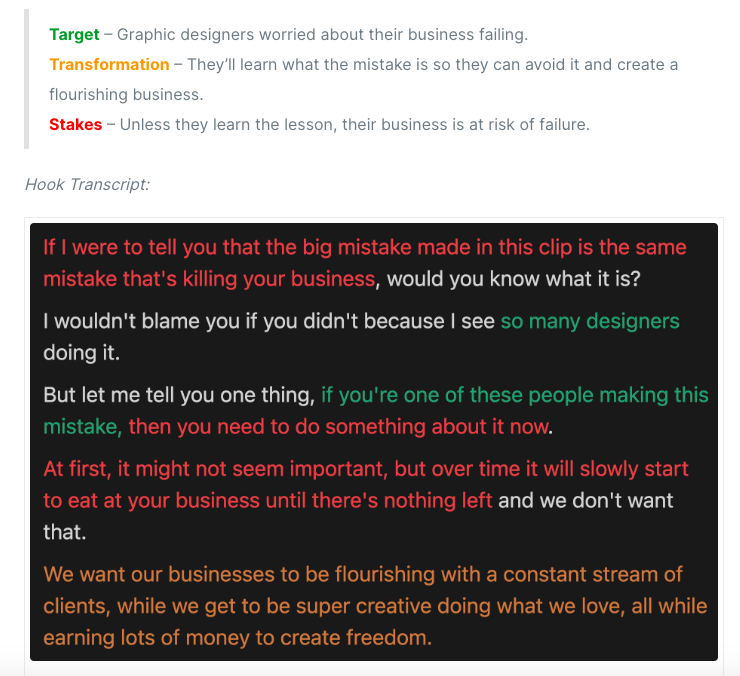
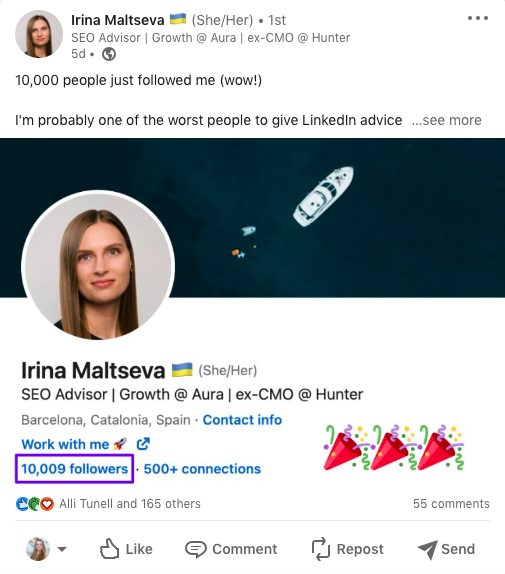
The key to a great hook for social media is to create curiosity. You can do this by making a contrarian statement or creating an unresolved question in your audience’s mind.
Here’s an excellent example of a social media hook that creates curiosity by making a statement that leaves an unresolved question in your mind:
Here’s another great LinkedIn hook that leaves an unresolved question, though I think it’s great because it also leans into the audience’s pain point and evokes strong emotion:
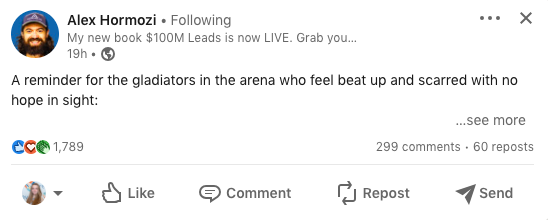
As you can see, there isn’t a single copywriting formula for hooks. So create a swipe file, and save each hook that compelled you to read the content. Then, spend one hour per week analyzing what made that hook great.
If you’re writing blog posts or video scripts, having a great title is also critical. On these platforms, there are usually multiple pieces of content on the same topic. Therefore, if you want to earn the click, think about what your piece of content is offering that none of the others offer and then convey that in the title.
For example, you’ll notice that these videos offer two unique value propositions. One offers a template, and the other promises you’ll learn to write a script in five minutes.
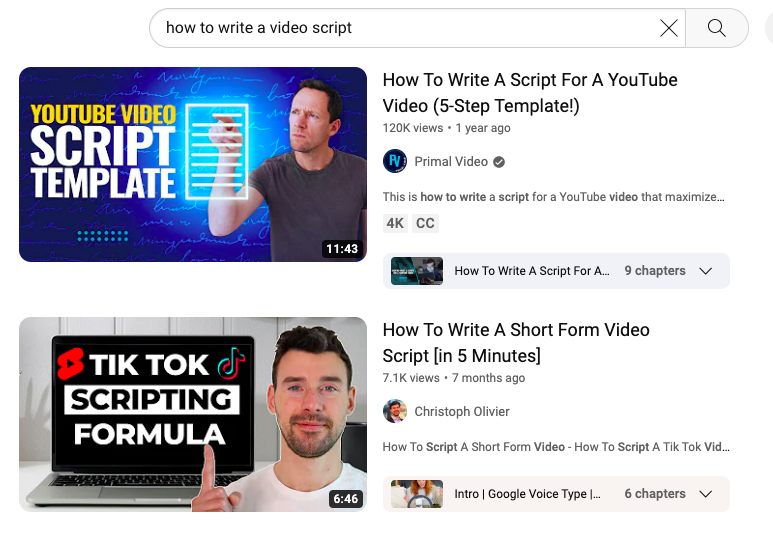
If SEO is part of your content marketing strategy, it’s a good idea to include the main keyword in the title, but that doesn’t mean it needs to be boring. You’ll notice that both titles above include a keyword, yet each still shows off its unique value proposition.
4. Address What Your Audience Has Tried That Doesn’t Work
The difference between good copy and great copy is that while good copywriting will give the user helpful information, great copy will address the strategies readers have tried that don’t work, explain why they don’t work, and provide a more effective solution.
You may have noticed that I do this a few times within this blog post.
For example, look at the text of the first tip:
“Many copywriters create audience avatars with demographic information, like age, gender, and location.
This is definitely a good start, but…”
Most people reading this blog post probably already know that they need to know this basic demographic information about their audience, so I explain why only relying on basic demographic information isn’t enough.
Then, I continue on to introduce a more effective solution.
By stating what you’re already doing and acknowledging that it’s ineffective, the reader feels like, “this person gets it!”
This builds trust and rapport, which will ultimately lead to better conversion rates because I’ve already acknowledged that what you’re doing isn’t working and explained why it makes any solution I suggest more intriguing.
Participate in groups and industry forums to learn about your audience’s pain points and specific strategies they’ve already tried.
5. Incorporate Real Experiences And Examples
People don’t enjoy reading textbooks and professional documents because they’re boring.
Yes, those texts may contain the information that the person needs, but if it isn’t packaged in an engaging format, most people will only read it if it’s absolutely necessary. The text also likely won’t leave a lasting impression.
The solution to make any text interesting is incorporating relatable experiences and examples.
For example, even if you’re writing about something as mundane as how to reduce churn, you can make it much more interesting by incorporating your own experiences. Here’s a rather mundane example of how you could tell someone to reduce churn:
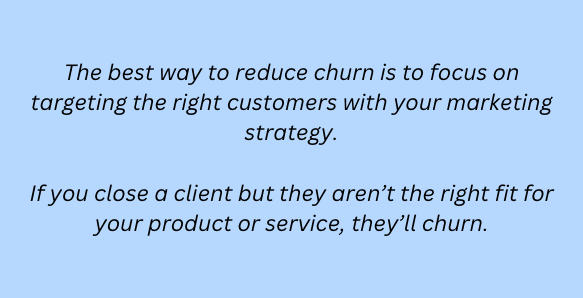
The above statement is accurate, but it’s boring to read and isn’t particularly memorable or relatable.
Below is an example of the exact same lesson, yet wrapped in a story:
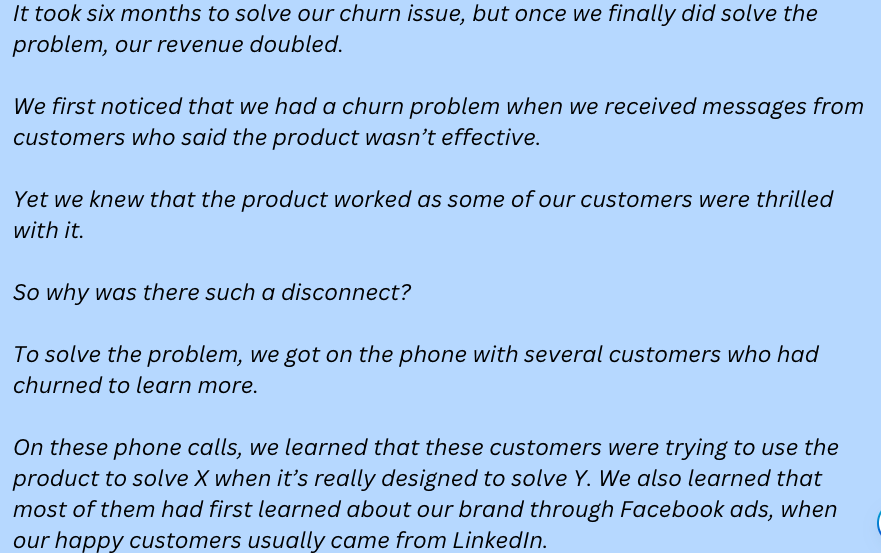
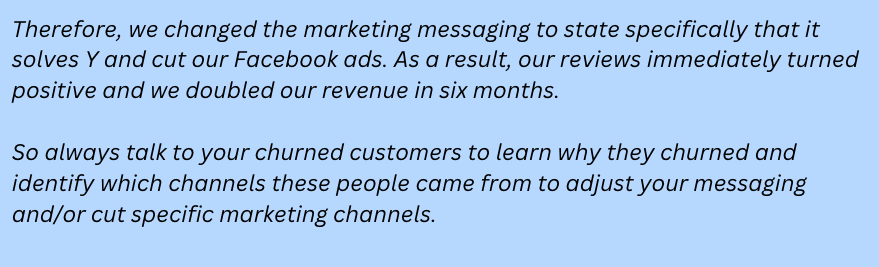
You’ll notice that the second version gives the same advice. Still, it’s much more entertaining, memorable, and impactful than the first one because it also includes a story from personal experience.
The quality of the advice you give when communicating through a story is also usually higher when it comes from personal experience because it is based on real results rather than theory.
6. Use Simple, Clear Language
English classes often praise students for using intelligent language.
The only problem is that readers don’t want to work hard to understand your message. They want the answer to their question delivered as simply as possible, and they don’t want to feel stupid trying to decipher the words you use.
Therefore, your marketing copy should deliver effective and unique ideas in the simplest language possible.
If you’re unsure if your copywriting is easy enough to read, use the Hemingway app or Grammarly to see the reading level of your copy.
For example, this text has a readability score of 61 and is on an eighth-grade reading level. Ideally, you’d want this to be a little lower.
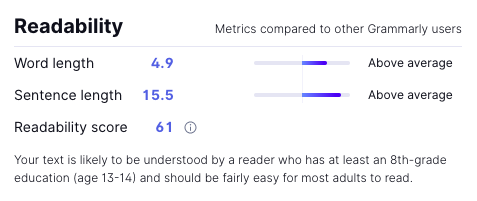
If you’re struggling to make a sentence sound simpler, consider looking away from the page and then repeat the gist of what you’re trying to say.
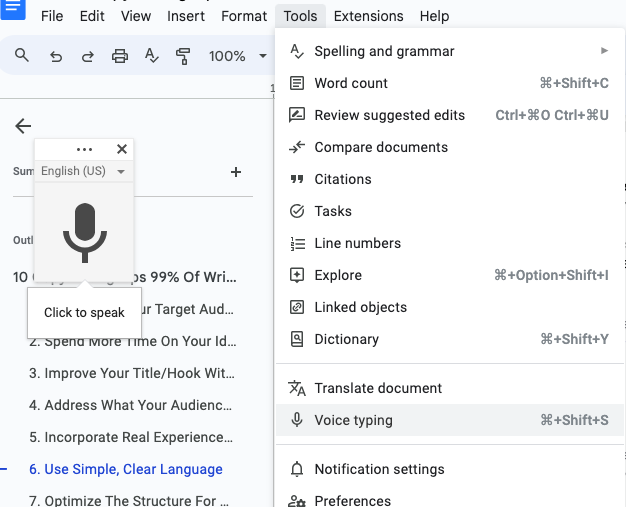
In Google Docs, you can even use the voice typing feature and have it transcribe a first draft of what you want to say. Then, you can just go back into the draft and clean it up.
If you’re really stuck, imagine someone interviewing you and asking you questions. For example, for this section, I would imagine someone asking me:
- “Why is it important to use clear, simple language and what is clear, simple language?”
- “How do you ensure you’re using clear, simple language?”
- “What are some specific ways you can improve using clear, simple language?”
Then, if you say it out loud, you probably won’t speak using jargon. Sure, it might need to be cleaned up, but the text will probably be simple and easy to read.
7. Optimize The Structure For Skimmability
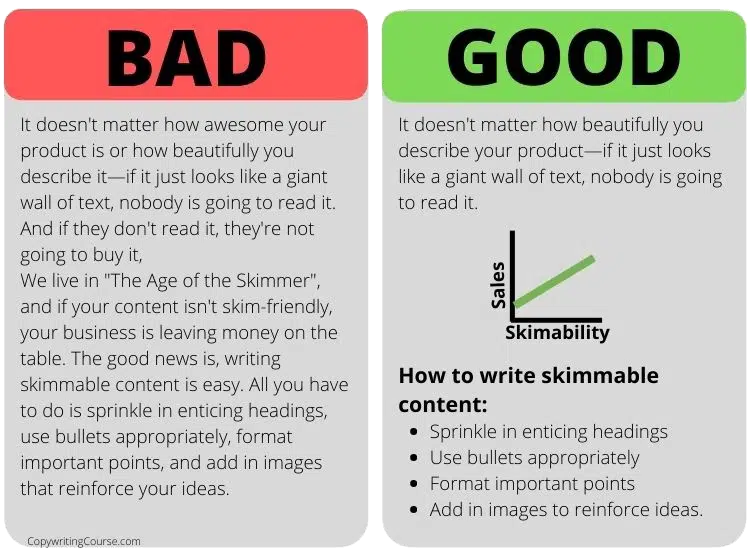
Glance at the image below. Which one do you understand fastest?
Source: Copywriting Course
I didn’t even read the “bad” version, but I quickly understood the gist of the “good” version.
Contrary to what many writers think, the best copywriting examples aren’t trying to get readers to read the copy.
The real goal is to get potential customers to understand your message, trust you, and ultimately buy whatever you offer.
If readers are bored or overwhelmed by a wall of text, they’ll simply leave.
So an underrated content marketing skill is to optimize your text for readability by doing these things:
- Eliminating fluff
- Using the active voice rather than passive voice
- Use short sentences
- Using bullet points, numbered lists, and bold/italics to draw the readers’ eye through the copy
- Keep paragraphs under five lines of text
- Use screenshots and graphics to communicate your point whenever possible.
It’s also important to consider the device your users usually consume your copy. For example, if most of them read your content on mobile, make sure it’s optimized for mobile devices.
8. Make Your Call To Action A No Brainer
Most call to actions (CTAs) ask the reader to sign up for a trial, buy a product, or something else that requires them to hand over money.
However, many readers are consuming your content for the first time, so they probably aren’t ready to buy from you just yet.
Alternatively, the content topic may be targeting a top of the funnel audience just learning about a problem, so they aren’t ready to buy yet.
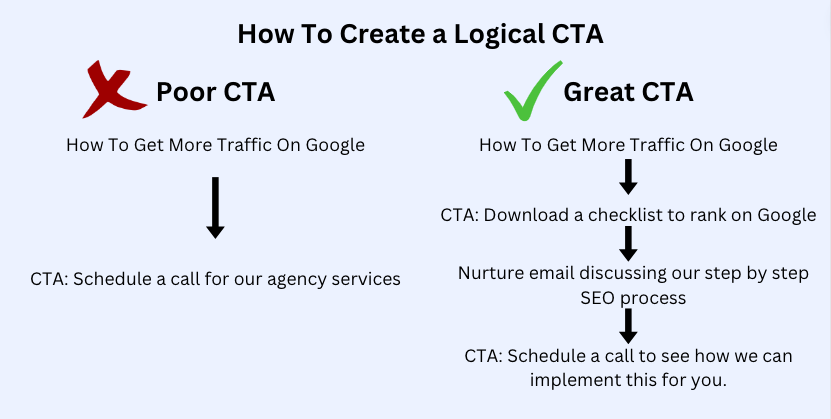
For example, if you create a piece of content titled “How to rank higher on Google,” those readers are just learning how organic search works and probably aren’t ready to commit $10,000 per month to an agency to grow their organic traffic.
Instead, a more appropriate CTA would be something like, “download this free checklist to rank higher on Google.”
Notice that this checklist idea is also relevant to the content topic (how to rank higher on Google).
The good news is that there’s one simple question you can ask to make sure your CTA is relevant and a no-brainer for the reader:
What is the next step in this reader’s buying journey they will need to solve this problem?
Then, your CTA is simply offering them exactly what they need next, making it a no brainer for them to convert.
The only exception is if you have a landing page that you’re driving leads to with paid ads.
In this case, it’s customary to ask for the sale directly. Still, you’ll also notice that landing page copy tends to be much longer because it’s taking the buyer from a cold prospect all the way through the customer journey on one page.
9. Optimize Your Content For The Platform
Finally, if you’re writing copy for Twitter, it will look very different from copy you might write in a blog post.
This is because your audience is in a different mindset.
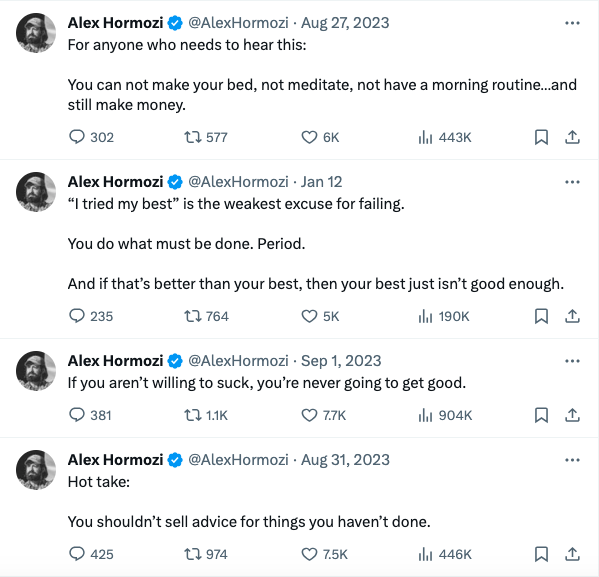
Someone scrolling through Twitter probably isn’t in the mindset to solve a specific problem, so you’ll be more successful using an intriguing hook and presenting a unique, contrarian/controversial, or interesting idea.
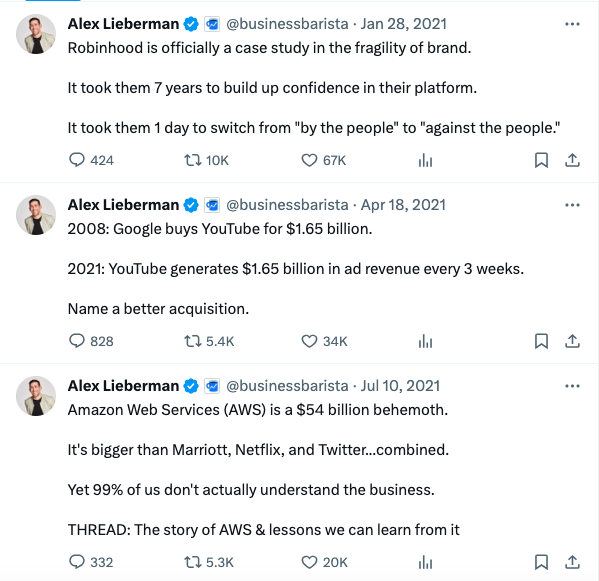
I found some of Alex Hormozi, Alex Lieberman, and Sahil Bloom’s most popular Twitter posts to give you an idea of what performs well, and here are a few of their top performing pieces of content.
Alex Hormozi’s most popular Tweets all take contrarian/uncomfortable stances on ideas:
Sahil Bloom’s most popular threads present unique/interesting ideas:
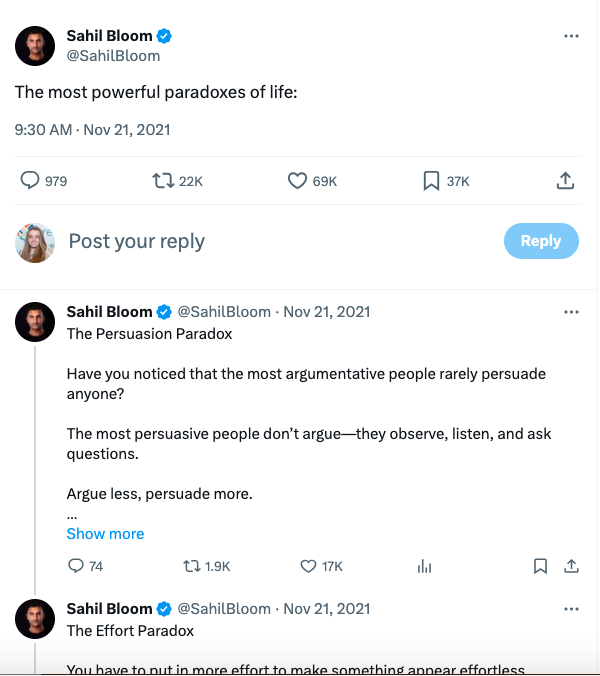
Here are Alex Lieberman’s most popular Twitter threads. You can tell that all of them actually offer interesting data on company growth/acquisitions.
In contrast, someone reading a blog post is probably actively searching for a specific solution to a specific problem, so more actionable content will probably perform better. Here are a few of the highest traffic earning posts on Copyblogger, HubSpot, and Zapier:
- Copyblogger’s Guide To Content Marketing
- HubSpot’s Best Cover Letter Examples
- Zapier’s How To Use ChatGPT
As you can see, these guides are designed to deliver the information as efficiently as possible, and they incorporate important SEO copywriting tips to earn more traffic.
How To Improve Your Copywriting Skills
The best way to improve your skills as a copywriter is to practice, but if you want to accelerate your learning, it’s important to get feedback on your copy.
If you want to join a community of copywriters focused on improving their skills, consider joining the Copyblogger Academy. You’ll have the opportunity to get feedback on your copywriting from other copywriters and even the Copyblogger team.
You’ll also have access to self paced courses on content marketing, copywriting, personal branding, and other skills that you need to earn more as a solopreneur.
Join the Copyblogger Academy today risk free to see if it’s the right fit for you.

This article's comments are closed.